Matcha SpotMatcha Spot

Matcha Kari Organic Superior review

Write Review

MS Rating

Community Rating

Flavor Profile

Umami
3.5
Bitter
2
Astringent
2
Sweet
4

Product Details

Grade
Ceremonial
Sizes
30g, 80g
Description

Organic ceremonial-grade matcha shade-grown in Uji, Kyoto. Matcha Kari selects this lot for its sweet, rich flavor and deep natural green color. Sourced through their farm-direct relationship with a multi-generational Uji tea house, it is positioned as one of their best ceremonial organic offerings, well suited to drinking straight as usucha or in lattes.
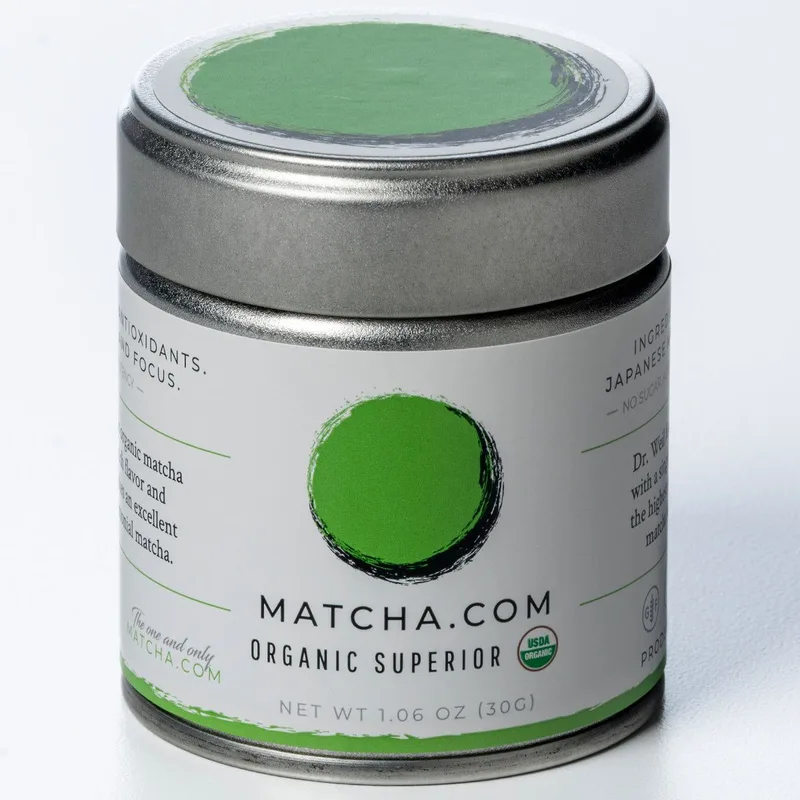
Organic Superior - image 1

Expert Review

TL;DR

A delicate and well-balanced organic matcha with low bitterness. Great ceremonial grade entry point for those based in the US.

Prepared as

Traditional
2g matcha
175°F
4 oz water
MS Rating
9.0
/ 10

It was difficult to find quality matcha in the US back in the late 2010s. Buying direct from Japan was nearly impossible, and US-based brands were mainly selling low quality, culinary grade powders.

Organic Superior by Matcha Kari was the first matcha I tried that bucked this trend. I still enjoy it to this day.

It has a delicate and well-balanced flavor with surprisingly little bitterness (a common issue with organic matcha). It's smooth and crisp with a sweet lingering aftertaste.

Organic Superior is a great entry point to the world of high quality, ceremonial matcha. The price is accessible at ~$1.30/g, it's almost always in stock, and the taste doesn't overwhelm.

It works well in both usacha and latte form, though I almost always drink it as usacha. It also tastes great as iced usacha for warmer months.

Where to Buy Organic Superior by Matcha Kari

Get it from trusted vendors

Matcha Kari

Official

$1.30/g

Buy Now

Prices and availability may vary. Click through to confirm on the vendor's site.

Lab Testing

Measured contaminant levels from brand and independent reports. Hover a row to learn how to read it. Lower is better.

Matcha Kari (Lab Tested certificate)*

BrandTest Date UnknownView report
Heavy Metals
Lead (Pb)A daily-intake limit in micrograms per day (µg/day) that the product passed, not a measured concentration. Unlike ppm (parts per million, the amount of the metal in the powder itself), a µg/day limit depends on serving size, so it is not directly comparable to the ppm figures shown for other tests.< 0.5 µg/day
Arsenic (As)A daily-intake limit in micrograms per day (µg/day) that the product passed, not a measured concentration. Unlike ppm (parts per million, the amount of the metal in the powder itself), a µg/day limit depends on serving size, so it is not directly comparable to the ppm figures shown for other tests.< 10 µg/day
Cadmium (Cd)A daily-intake limit in micrograms per day (µg/day) that the product passed, not a measured concentration. Unlike ppm (parts per million, the amount of the metal in the powder itself), a µg/day limit depends on serving size, so it is not directly comparable to the ppm figures shown for other tests.< 4.1 µg/day
Mercury (Hg)A daily-intake limit in micrograms per day (µg/day) that the product passed, not a measured concentration. Unlike ppm (parts per million, the amount of the metal in the powder itself), a µg/day limit depends on serving size, so it is not directly comparable to the ppm figures shown for other tests.< 0.3 µg/day
Radiation
Cesium-134A radioactive isotope monitored in Japanese tea since the 2011 Fukushima accident. Shown in becquerels per kilogram (Bq/kg); Japan’s food limit is 100 Bq/kg. Most matcha tests as not detected.Not detected (<1 Bq/kg)
Cesium-137A radioactive isotope monitored in Japanese tea since the 2011 Fukushima accident. Shown in becquerels per kilogram (Bq/kg); Japan’s food limit is 100 Bq/kg. Most matcha tests as not detected.Not detected (<1 Bq/kg)

* Brand-wide sample certificate covering Matcha Kari's key matchas, including Superior Organic. Heavy metals are reported as per-serving daily-intake spec limits (passed), not measured concentrations.

Tamara Rubin (Lead Safe Mama)

IndependentTested Jan 24, 2025View report
Heavy Metals
Lead (Pb)Tea plants naturally take up trace lead from soil, so small amounts are common. Shown in parts per million (ppm). Lower is better. There is no single FDA limit for tea; California’s Prop 65 (a daily-intake limit) is the most-cited consumer benchmark.0.082 ppm
Arsenic (As)A naturally occurring trace element absorbed from soil and water. Shown in parts per million (ppm). Lower is better.0.024 ppm
Cadmium (Cd)A heavy metal that leafy plants like tea draw from soil. Shown in parts per million (ppm). Lower is better.0.017 ppm
Mercury (Hg)A trace heavy metal occasionally present from environmental sources. Shown in parts per million (ppm). Lower is better; most matcha tests below detection.0.006 ppm

Figures are reported by the linked source and shown in standardized units. Matcha Spot does not independently verify lab results.

Share your experience with this matcha

Sign in to leave a review

No reviews yet. Be the first to review this product!

Matcha similar to Organic Superior by Matcha Kari

87% match

Slightly more umami, same Uji, Kyoto origin

87% match

Slightly more umami, same Uji, Kyoto origin

87% match

Slightly more umami, same Uji, Kyoto origin

84% match

Slightly more umami, same Uji, Kyoto origin