Matcha SpotMatcha Spot

Matchaful Organic Kiwami Single Cultivar Matcha review

Write Review

MS Rating

Not rated yet

Community Rating

Flavor Profile

Umami
5
Bitter
1
Astringent
2
Sweet
4

Product Details

Origin
Shizuoka
Grade
Ceremonial
Cultivars
Okumidori
Sizes
30g, 100g, 1kg
Description

Kiwami, meaning ultimate, is Matchaful's USDA Certified Organic single-cultivar matcha made entirely from the Okumidori variety grown by fourth-generation farmer Hattori-san in Shizuoka. It shows a rounded umami with notes of florals, honey, and cream and a hint of natural sweetness, the kind of balanced cup the Okumidori cultivar is known for. The tencha is steamed, de-stemmed, de-veined, and stone-milled to order at low temperatures.
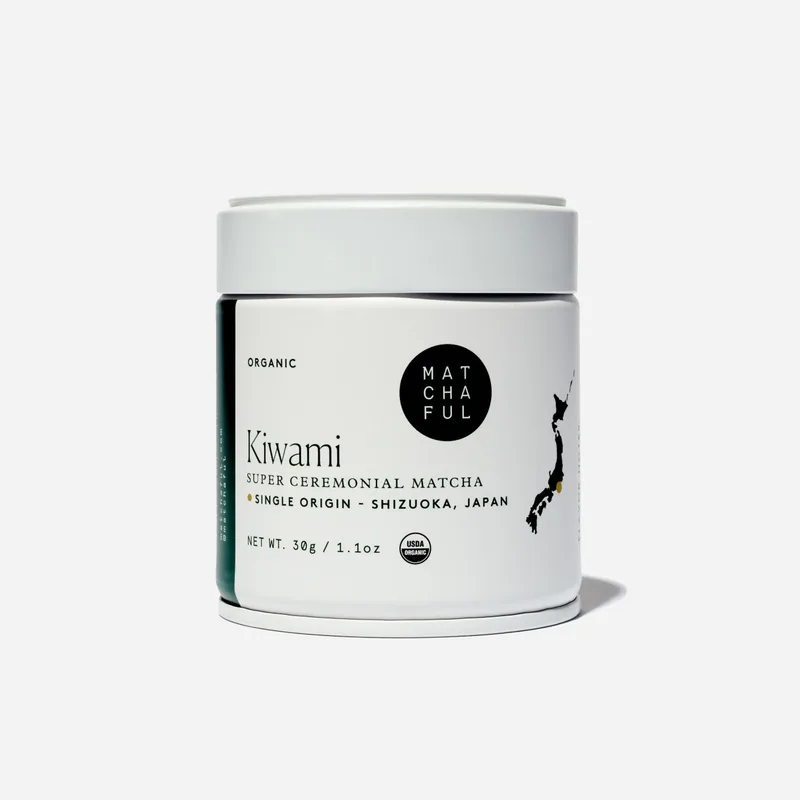
Organic Kiwami Single Cultivar Matcha - image 1

Expert Review

No Matcha Spot Expert review yet!

Where to Buy Organic Kiwami Single Cultivar Matcha by Matchaful

Get it from trusted vendors

Matchaful

Official

$1.63/g

Buy Now

Prices and availability may vary. Click through to confirm on the vendor's site.

Lab Testing

Measured contaminant levels from brand and independent reports. Hover a row to learn how to read it. Lower is better.

Matchaful third-party analytical report (ISO/IEC 17025)

LabTested Feb 4, 2026View report
Heavy Metals
Lead (Pb)Tea plants naturally take up trace lead from soil, so small amounts are common. Shown in parts per million (ppm). Lower is better. There is no single FDA limit for tea; California’s Prop 65 (a daily-intake limit) is the most-cited consumer benchmark.0.069 ppm
Arsenic (As)A naturally occurring trace element absorbed from soil and water. Shown in parts per million (ppm). Lower is better.0.017 ppm
Cadmium (Cd)A heavy metal that leafy plants like tea draw from soil. Shown in parts per million (ppm). Lower is better.0.016 ppm
Mercury (Hg)A trace heavy metal occasionally present from environmental sources. Shown in parts per million (ppm). Lower is better; most matcha tests below detection.Not detected (<0.005 ppm)
Radiation
Cesium-134A radioactive isotope monitored in Japanese tea since the 2011 Fukushima accident. Shown in becquerels per kilogram (Bq/kg); Japan’s food limit is 100 Bq/kg. Most matcha tests as not detected.Not detected (<1 Bq/kg)
Cesium-137A radioactive isotope monitored in Japanese tea since the 2011 Fukushima accident. Shown in becquerels per kilogram (Bq/kg); Japan’s food limit is 100 Bq/kg. Most matcha tests as not detected.Not detected (<1 Bq/kg)

Tamara Rubin (Lead Safe Mama)

IndependentTested Jan 24, 2025View report
Heavy Metals
Lead (Pb)Tea plants naturally take up trace lead from soil, so small amounts are common. Shown in parts per million (ppm). Lower is better. There is no single FDA limit for tea; California’s Prop 65 (a daily-intake limit) is the most-cited consumer benchmark.0.073 ppm
Arsenic (As)A naturally occurring trace element absorbed from soil and water. Shown in parts per million (ppm). Lower is better.0.016 ppm
Cadmium (Cd)A heavy metal that leafy plants like tea draw from soil. Shown in parts per million (ppm). Lower is better.0.016 ppm
Mercury (Hg)A trace heavy metal occasionally present from environmental sources. Shown in parts per million (ppm). Lower is better; most matcha tests below detection.Not detected (<0.005 ppm)

Figures are reported by the linked source and shown in standardized units. Matcha Spot does not independently verify lab results.

Share your experience with this matcha

Sign in to leave a review

No reviews yet. Be the first to review this product!

Matcha similar to Organic Kiwami Single Cultivar Matcha by Matchaful

Dawn Matcha Emerald Matcha

ceremonialSame grade
94% match

Slightly less astringent, same Shizuoka origin

Slightly less astringent, Ujitawara, Kyoto origin

88% match

Slightly less umami, Mie origin

88% match

Slightly less astringent, Tsuchiyama, Shiga origin